





Roofing engineers are indispensable for commercial buildings, ensuring structural integrity, longevity, and energy efficiency through expert design, installation, and maintenance of roof systems. They navigate unique challenges of diverse roofs, from sloped installations lasting 60 years to flat roof replacements requiring water management. By collaborating with architects, integrating modern technologies, and adhering to safety standards, these professionals safeguard buildings against climate change and enhance aesthetic appeal. Post-installation care includes tailored maintenance routines and regular inspections for optimal performance. Engaging roofing engineers early in the process ensures robust structures, prevents costly mistakes, and aligns with sustainability goals.
Commercial buildings demand robust, reliable roofing solutions. As structures grow in complexity, the need for specialized expertise becomes evident. This is where roofing engineers step in, offering critical services that ensure structural integrity, safety, and longevity. However, navigating this field can be daunting for property managers. This article serves as your guide, elucidating what to expect from roofing engineer services for commercial buildings: their role, key responsibilities, and the tangible benefits they bring. By understanding these aspects, you’ll gain valuable insights into fostering successful partnerships and securing optimal roof performance.
- Understanding Commercial Roofing Engineer Services
- The Role of a Roofing Engineer in Design
- Evaluating Building Structure for Roof Installation
- Choosing the Right Materials: A Engineering Perspective
- Ensuring Safety and Compliance During Construction
- Maintenance and Longevity: Post-Installation Care
Understanding Commercial Roofing Engineer Services

Commercial roofing engineer services play a pivotal role in ensuring the structural integrity and longevity of buildings designed for business and industry. These professionals bring a specialized set of skills to navigate the unique challenges posed by commercial roofs, which often cover vast areas and incorporate diverse design elements. Unlike residential roofing, sloped roofs dominate the commercial landscape, demanding careful planning and execution during installation and maintenance.
Roofing engineers are tasked with evaluating existing structures, designing solutions for repairs or replacements, and overseeing construction to meet safety standards and regulatory compliance. In cases of roofing emergencies, such as leaks or storm damage, their expertise is crucial for swift and effective repairs, minimizing downtime for businesses. For new constructions or renovations, they collaborate with architects and contractors to select appropriate roofing materials and systems, considering factors like climate, budget, and long-term sustainability goals.
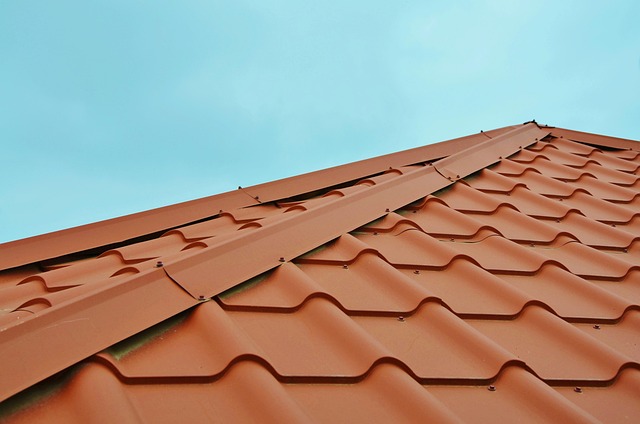
When it comes to sloped roof installation, engineers employ advanced techniques and technologies to ensure optimal performance. From metal roofing to shingles, each material offers distinct benefits and requires specialized application methods. For instance, a study by the National Roofers Foundation revealed that properly installed metal roofs can last 40-60 years, making them an attractive option for long-term cost savings. Additionally, engineers are adept at handling complex roof lines and slopes, ensuring water drainage systems function efficiently to prevent leaks and structural damage.
To explore residential roofing options or delve into the intricacies of sustainable roofing practices, visitors can turn to industry leaders who emphasize both performance and environmental responsibility. By visiting us at roofing for sustainable buildings, individuals gain access to comparative analyses of various roofing types, enabling informed decisions tailored to specific needs. Remember, a well-designed roof is not just an architectural detail; it’s an investment in the building’s future, safeguarding against the elements while contributing to overall energy efficiency and aesthetic appeal.
The Role of a Roofing Engineer in Design

A roofing engineer plays a pivotal role in the design phase of commercial buildings, ensuring structural integrity, longevity, and energy efficiency. These specialists are tasked with translating architectural visions into practical, safe, and sustainable roof systems. Their expertise is invaluable for navigating the complex interplay of building materials, local climate conditions, and regulatory requirements. For instance, when designing a flat roof replacement, a roofing engineer must consider not only structural support but also water management strategies to prevent leaks and ensure longevity. They often recommend advanced materials and techniques, such as enhanced insulation and cool roofs, aligning with current sustainability trends and contributing to energy-efficient roof restoration.
In addition to design, roofing engineers are integral in implementing professional roof restoration projects. By assessing existing structures, they can identify issues like weak points, deteriorated materials, or inadequate drainage systems. This involves meticulous inspections and the use of advanced diagnostic tools. For example, a flat roof with signs of age might require a complete overhaul, including replacing underlayments and incorporating modern waterproofing solutions. These professionals also adhere to roofing design guidelines set by industry bodies to ensure compliance and safety standards are met.
Their influence extends beyond new constructions; they are sought after for retrofitting and upgrading older buildings. By integrating their knowledge of the latest technologies and materials, such as offering solar panels as part of a roof replacement, they can enhance a building’s value while reducing its environmental footprint. This holistic approach not only addresses aesthetic concerns but also aligns with the growing demand for sustainable practices in commercial architecture. Homeowners and business owners alike should consider engaging these specialists to ensure their roofs are not just functional but also future-proofed against evolving climate challenges. Give us a call at energy-efficient roofing options to explore how expert engineering can transform your commercial space.
Evaluating Building Structure for Roof Installation

When it comes to installing a roof on a commercial building, evaluating the structure is a crucial step often undertaken by roofing engineers. These experts possess the knowledge and skills to assess the integrity of existing structures, ensuring they can support the weight and demands of new roofing systems. This process involves meticulous scrutiny of various elements, from structural framing to load-bearing capabilities.
Roofing engineers will meticulously examine the building’s plans and specifications, cross-referencing them with on-site observations. They look for signs of damage, corrosion, or weakness in the structure—issues that might require attention before roof installation. For instance, a close inspection may reveal weakened trusses or deteriorated sheathing, necessitating repairs or replacements. These professionals also consider roofing ventilation systems as part of their evaluation, ensuring proper airflow to mitigate moisture buildup and heat transfer.
Moreover, they compare roofing materials based on durability, cost-effectiveness, and compliance with local building regulations and codes. This comparison is vital in making informed decisions that align with both structural requirements and aesthetic considerations. For example, a metal roof might be recommended for its longevity and fire resistance, whereas a concrete tile roof could offer exceptional insulation properties. By balancing structural integrity, functional needs, and regulatory standards, roofing engineers ensure the long-term performance and safety of commercial buildings, giving property owners peace of mind and a solid investment in their facilities.
For more insights into roof repair expert services or to discuss specific regulations in your area, consider reaching out to industry professionals. Give us a call at how much does roofing cost? to explore options tailored to your commercial property’s unique needs.
Choosing the Right Materials: A Engineering Perspective

Choosing the right roofing materials is a critical aspect of any commercial building project from an engineering perspective. A roofing engineer plays a pivotal role in this process, balancing aesthetic preferences with structural integrity, durability, and cost-effectiveness. For instance, while a sleek, modern design might call for flat or low-slope roofs, these present unique challenges that demand specialized knowledge and techniques, such as those featured in our roofing best practices guide. This involves selecting materials like TPO (Thermoplastic Olifin) or EPDM (Ethylene Propylene Diene Monomer), proven performers in roofing case studies for commercial properties, known for their superior resistance to moisture, UV damage, and extreme temperatures.
For renovation projects, the decision is often more nuanced. Roofing engineers must consider the existing structure’s capacity to support new materials, especially when introducing heavier or larger panels. In such scenarios, advanced engineering calculations are employed to ensure safe and sustainable solutions. For low-slope roofs, where traditional shingles might not be suitable, specialized roofing techniques come into play. These include detailed design considerations for proper drainage systems, as well as the selection of high-performance membranes that can withstand the specific environmental conditions typical in urban settings.
As you consider your commercial building’s roofing needs, remember that a comprehensive understanding of both traditional and cutting-edge materials is essential. Collaborating with experienced roofing engineers who can offer insights tailored to your project ensures not only a robust, reliable roof but also one that aligns with the latest industry standards and best practices. Visit us at [roofing for commercial properties] to explore how our specialized services can meet these unique requirements.
Ensuring Safety and Compliance During Construction

In the world of commercial building construction and renovation, ensuring safety and compliance with industry standards is paramount. One critical aspect often overlooked yet crucial for a secure and durable structure is proper roofing engineering. Roofing engineers play a pivotal role in designing and overseeing the installation of roofs that meet structural integrity requirements while aligning with local regulations. Their expertise is particularly vital during construction and renovation projects, especially for low-slope buildings, where precision and adherence to best practices can prevent costly mistakes and ensure long-term performance.
When undertaking any commercial project, engaging a roofing engineer early in the planning phase offers numerous advantages. These professionals are adept at evaluating existing structures and recommending suitable roofing solutions tailored to specific needs. For instance, attic insulation for roofs is an essential component they often incorporate into their designs, offering energy efficiency and extended roof life, especially in regions with extreme weather conditions. By integrating professional roof restoration techniques alongside modern roofing materials, engineers can enhance a building’s structural resilience against elements like wind, snow, and hail. This proactive approach not only safeguards the property but also aligns with growing sustainability trends in the construction industry, as seen in the increasing popularity of roofing for sustainable buildings.
Compliance with local building codes is another area where roofing engineers provide invaluable guidance. Different regions have distinct regulations regarding roof construction, materials, and safety measures. Engineers are well-versed in these guidelines, ensuring that every aspect of a roofing project adheres to the required standards. For low-slope roofs, for example, proper drainage systems and appropriate membrane selection are critical, and a qualified engineer will specify these details to prevent water damage and structural deterioration. Moreover, as building designs continue to evolve, engineers must stay abreast of innovative roofing types and technologies, such as comparing roofing materials for optimal performance in renovation projects. This expert knowledge guarantees that the final product not only meets current regulations but also stands the test of time.
Maintenance and Longevity: Post-Installation Care

Post-installation care is a critical phase in ensuring the longevity and optimal performance of commercial buildings’ roofs. A roofing engineer plays a pivotal role here, offering expertise that goes beyond initial installation. Maintenance routines, for instance, are tailored to specific roof types, climate conditions, and local environmental factors—all considerations a skilled roofing engineer incorporates into their service offerings. Regular inspections, often recommended every 3-5 years, form the backbone of preventative maintenance, allowing engineers to identify issues early, from minor leaks to structural weaknesses.
The roofing industry trends towards increasingly sophisticated technology advancements that benefit post-installation care. For example, drone surveillance is now a common practice, offering efficient and safe ways to inspect hard-to-reach areas. Similarly, advanced weather monitoring systems provide crucial data for proactive maintenance scheduling. These innovations complement traditional methods, such as manually assessing flashing, joints, and drains, ensuring every angle is covered.
Choosing the right roofing engineer involves considering their expertise in roofing design considerations specific to your building’s unique needs. This includes an understanding of local building codes, wind ratings, load-bearing capacities, and energy efficiency standards. For instance, flat roof replacement requires specialists who can navigate the challenges of water management, insulation, and structural integrity without compromising aesthetics or longevity. As the industry evolves, staying abreast of these trends ensures your commercial building benefits from cutting-edge roofing solutions that enhance its value and lifespan.
Remember, a proactive approach to maintenance not only extends the life of your roof but also minimizes costly repairs and replacement expenses. By engaging a reputable roofing engineer who prioritizes post-installation care, you’re investing in the longevity and resilience of your commercial property—a strategy that pays dividends over time. Find us at flat roof replacement for expert guidance tailored to your specific needs.
By delving into the multifaceted role of roofing engineers in commercial buildings, this article has illuminated several key insights. Understanding the importance of these professionals in design, evaluation of building structures, material selection, safety protocols, and post-installation care is paramount for successful roofing projects. Roofing engineers serve as navigators through the complex landscape of commercial roofing, ensuring not just structural integrity but also compliance with regulatory standards. Their expertise fosters longevity and maintenance strategies that safeguard investments. Moving forward, recognizing the value of roofing engineer services and integrating their insights into project planning will lead to robust, safe, and sustainable commercial structures.


